25 Journalists
What can these people teach us about how journalism works?
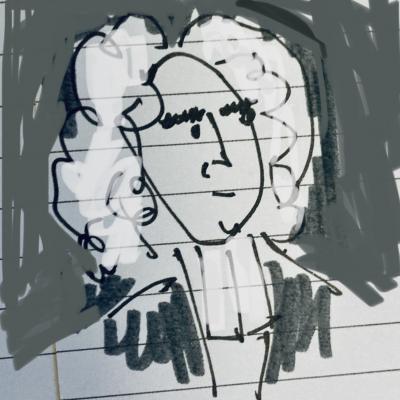
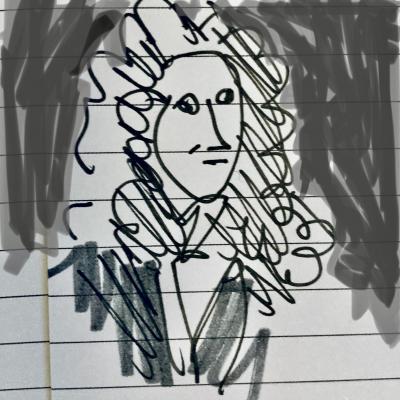
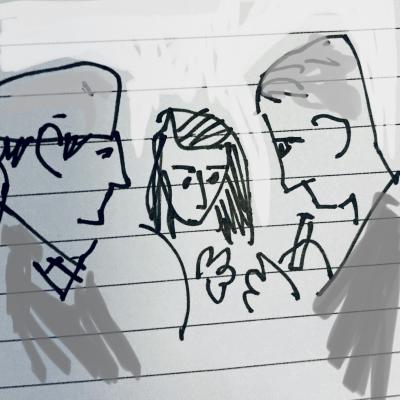
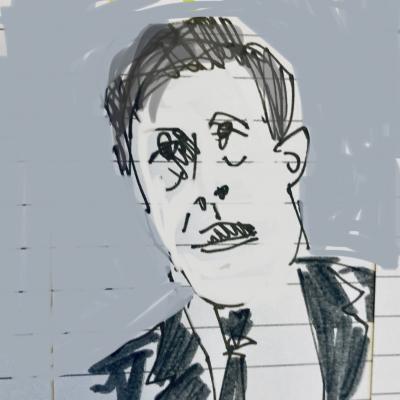
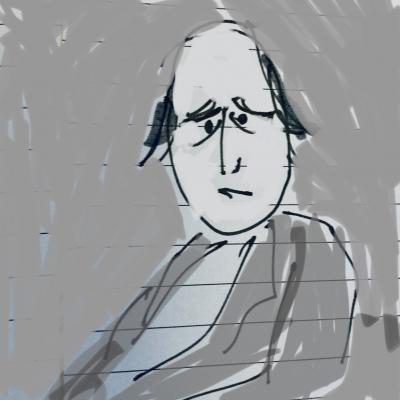
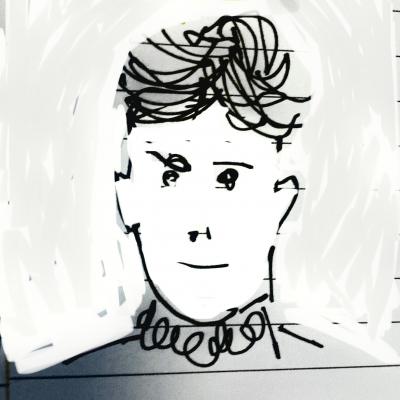
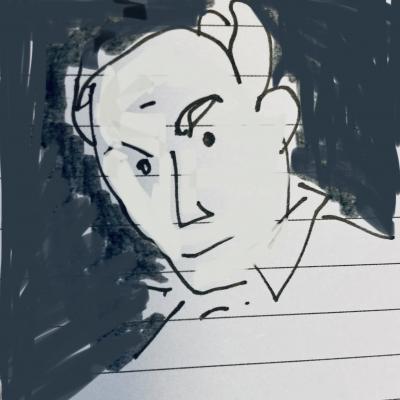
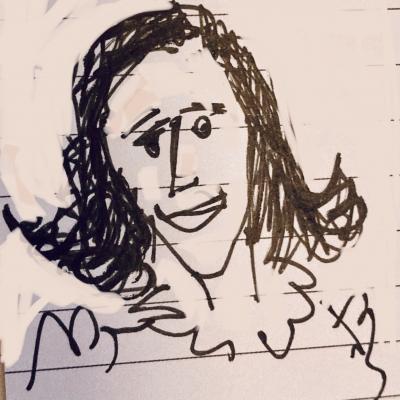
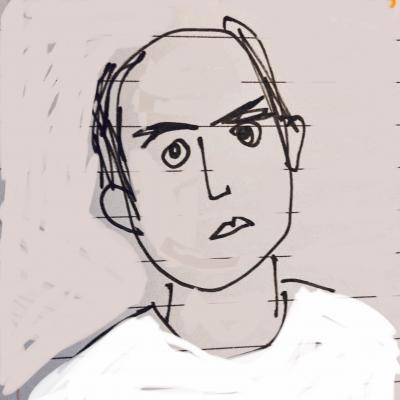
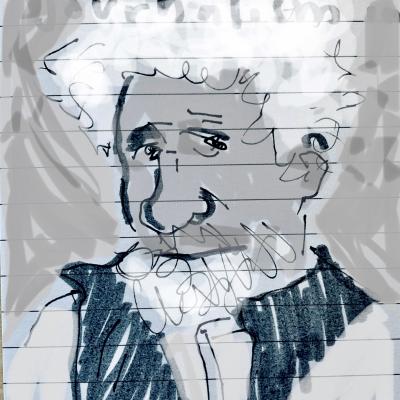
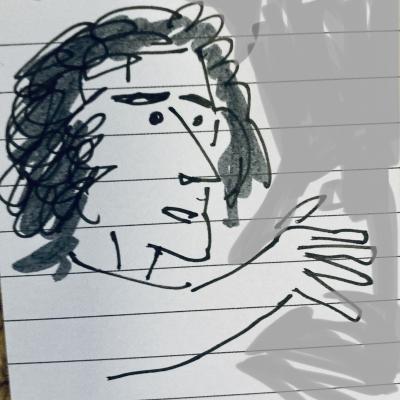
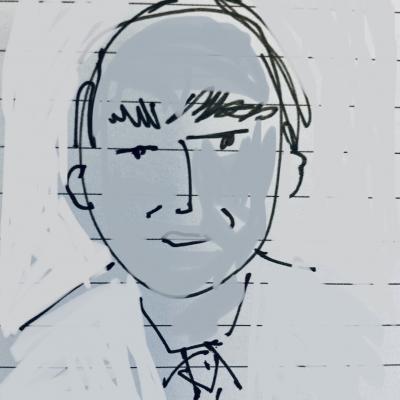
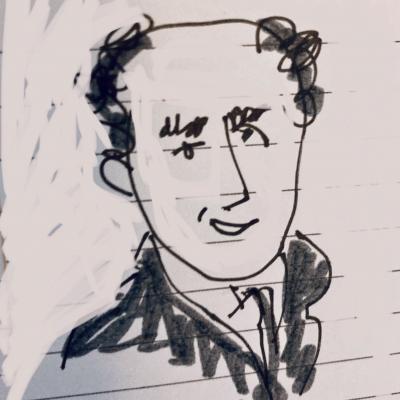
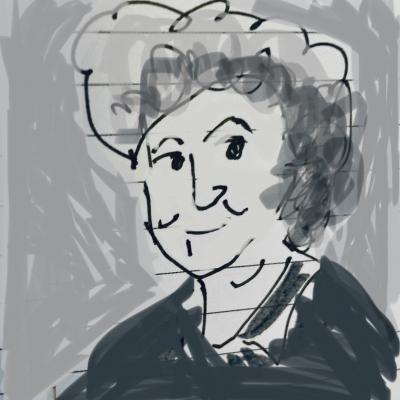
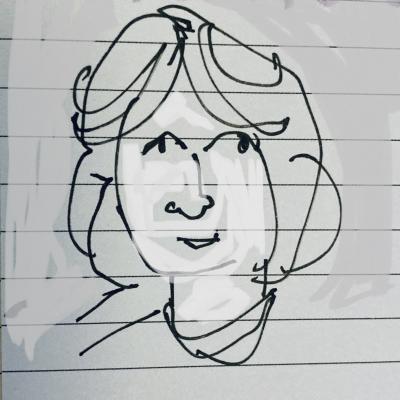
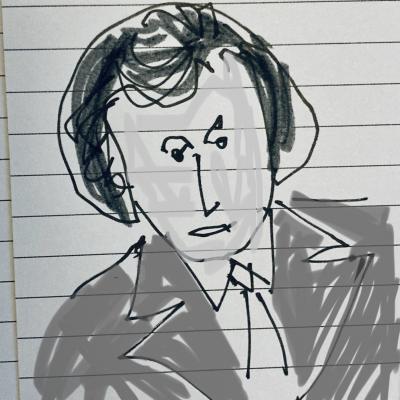
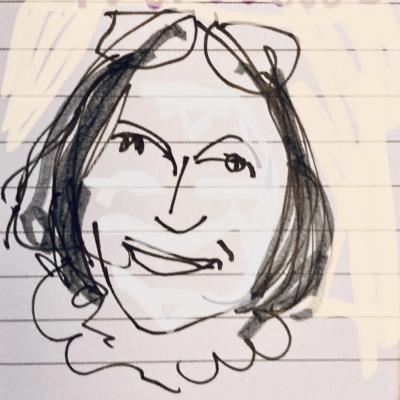
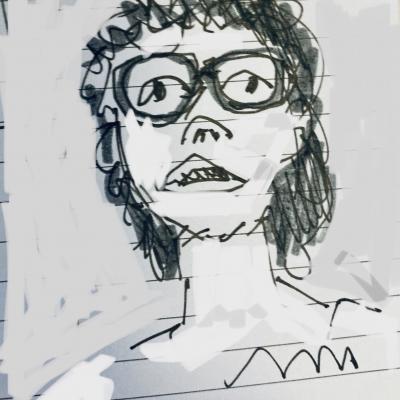
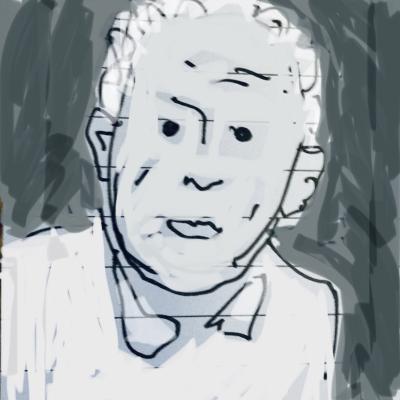
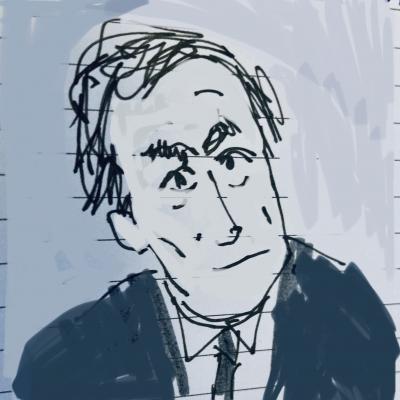
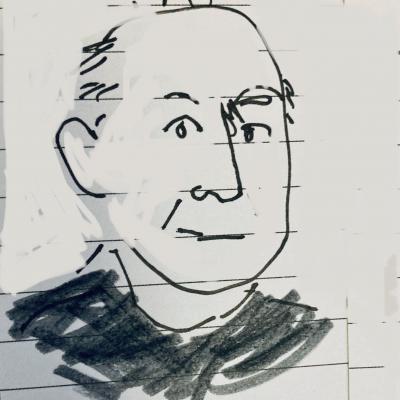
Some time ago, my agent asked me to put together a book proposal, and I made the drawings and mini profiles you can see on this page.
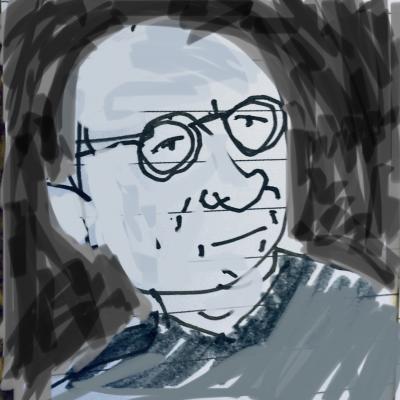
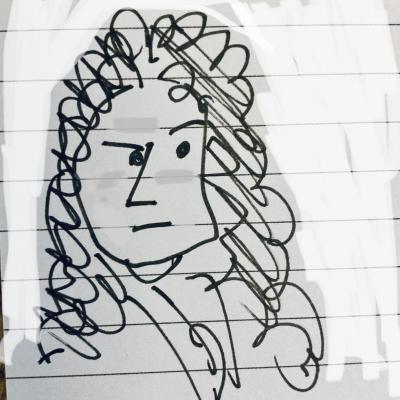
Looking at them now, I’m struck by how much work went into choosing these particular 25 people – and how the choice itself makes an argument, even before you read a word of the accompanying text.
If you scroll down, you’ll see that I’ve grouped the portraits into categories. The groupings do real intellectual work. It’s not just a list of famous journalists.
- Putting Anne Frank and Harvey Pekar together as Diarists, for instance, quietly suggests that journalism doesn’t require a publisher, or even an audience.
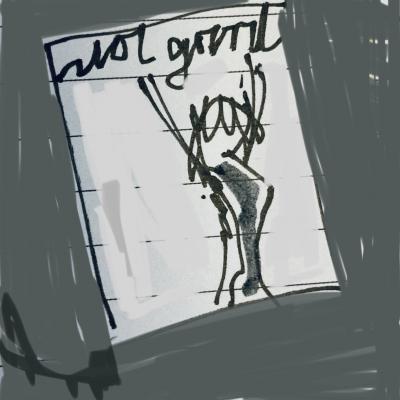
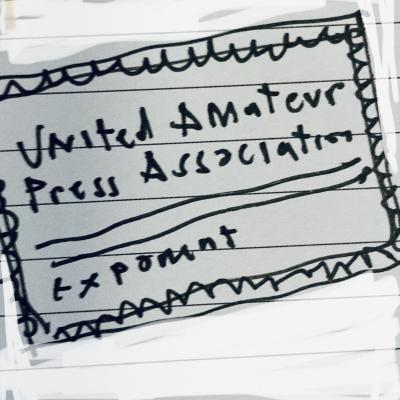
- Putting Riot Grrrl alongside the Amateur Press Association as Enthusiasts suggests that the impulse to share what you love has always found a format.
- And putting Augusto Boal – who delivered current affairs to illiterate Brazilians through performance – in the same conversation as Wole Soyinka suggests that journalism doesn’t even require writing.
That’s the argument I want to make, and it feels more urgent now than it did when I first sketched it out. Professional media is contracting. Salaried jobs are disappearing. Fees have been cut so dramatically that journalism is becoming, as I wrote in the proposal, essentially a hobby, affordable only to people with other sources of income.
But at exactly the same moment, the barriers to doing journalism have never been lower. Those two things are in tension, and the tension is interesting. The framing I keep coming back to is this:
you are probably already more of a journalist than you think.
Not in a glib, everyone’s-a-journalist way. But in the sense that if you keep a diary, or compile information that other people find useful, or write a newsletter / blog about something you care about, or perform – in any sense – for an audience, you are doing something that one or more of the people on this page also did, and which we have agreed to call journalism.
That reframing feels more interesting to me than the original proposal, which was a somewhat more conventional “here’s how journalism works.”
The publisher I was talking to wanted a different selection of journalists – more obviously famous ones, I think – and the book didn’t happen.
But I still think there’s something here.
What I haven’t yet decided is the format. The category structure – Diarists, Compilers, Performers, Enthusiasts and so on – gives me a natural architecture for almost anything: a book, a course, a newsletter, a series of emails that might eventually be compiled into a book.
Each category contains a practical idea as well as a set of portraits. Each portrait is, in a small way, a provocation: this person, in these circumstances, found a way. What’s your excuse?
One thing I’m fairly sure of is that the drawings should be central to whatever I do next with this, not decorative. They’re not illustrations of a text. They came first (weirdly?). The text grew around them.
I’ll come back to this.
Some of the 25 journalists pictured below lived in the 18th and 19th century. Most lived in the 20th century, and some made it to the 21st.
Six are women, three are groups, 14 are men. Sixteen work(ed) in English. Not all of them used written language. Several were honoured in their lifetime. Others died largely unknown.
I met two of them, and worked for one of the others.
Short biographies
Proprietors
Campaigners and risk-takers
Reporters
Diarists
Journalism as performance
Columnists
Interviewers
Compilers
Designers
Enthusiasts